
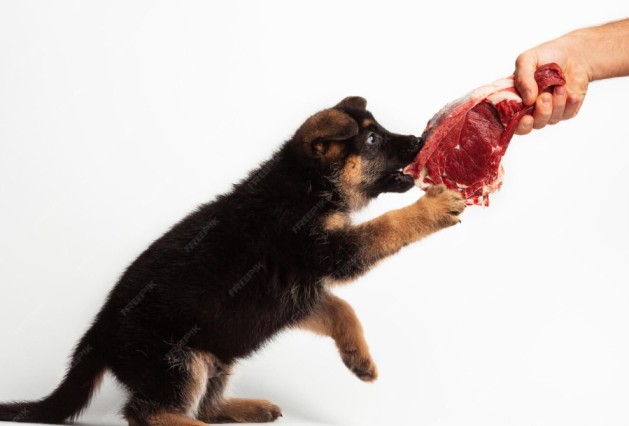
What your puppy needs to chew on is completely different from what your adult dog needs, which is different again from what your senior dog can safely handle. Acting like one type of chew works for all ages is how dogs end up hurt. Choosing appropriate natural chews requires understanding where your dog is right now in their life, not just grabbing whatever’s convenient at the pet store.
Let’s break this down by stage so you’re making informed choices instead of guessing.
Table of Contents
1. Puppies Have Fragile Mouths That Need Gentle Chews
Baby teeth are delicate. Adult teeth are pushing through the gums. Everything in a puppy’s mouth is in flux and vulnerable. This is absolutely the wrong time for super hard chews that can crack developing teeth or cause mouth pain. Soft natural options like bully sticks or gentle dental chews work infinitely better than bones or antlers at this stage.
Puppies also have comically small mouths and attention spans measured in seconds. Size chews for the puppy you have right now, not the adult dog they’ll become eventually. Something perfect for a seventy-pound adult looks absurd in the mouth of a fifteen-pound puppy, even if that puppy’s breed will eventually reach seventy pounds.
2. Adult Dogs Can Handle Substantial Long-lasting Options
Once your dog has permanent teeth and full jaw strength, harder chews become appropriate. This is the stage where Elk Antlers for dogs work beautifully. They last seemingly forever, they’re natural without concerning processing, and they withstand the chewing power of full-grown dogs without breaking into dangerous fragments.
Adult dogs benefit mentally from chews that require sustained effort. Something that takes time and work keeps dogs satisfied and mentally engaged. Quick chews that vanish in minutes don’t provide the same benefit and might actually encourage frantic chewing behavior you don’t want developing.
3. Senior Dogs Need Softer Choices For Changing Dental Situations
Older dogs develop dental problems. Teeth wear down. Gums become sensitive. Sometimes teeth go missing entirely. Hard chews that were perfectly appropriate when your dog was younger can now cause genuine pain or damage. Transition to softer alternatives as your dog ages and their mouth changes.
Watch for signs of discomfort during chewing sessions. Dogs who keep dropping chews, working at them tentatively instead of enthusiastically, or losing interest quickly might be dealing with pain. Senior dogs still derive mental satisfaction from chewing, but they need options that accommodate aging mouths rather than fighting against them.
4. Your Specific Dog Matters More Than Breed Information
Two dogs from identical breeds can approach chewing in completely opposite ways. Some dogs are gentle and take their time. Others attack chews with startling aggression. You need to know your individual dog’s style, not what breed stereotypes suggest should be true.
Never assume breed determines chewing needs automatically. A Labrador who chews gently might need softer options than a small Terrier who destroys everything enthusiastically. Watch your actual dog’s behavior. Base decisions on what you observe, not what general breed information claims.
5. Splintering Or Sharp Edges Mean Immediate Disposal
Natural doesn’t guarantee safety automatically. Cooked bones splinter dangerously. Some types of wood develop sharp edges. Certain hooves chip into pointed fragments. Natural is generally better than processed chemical chemical-laden alternatives, but you still need careful selection and ongoing monitoring.
Inspect chews regularly as they wear down. Check for splintering or developing sharp edges that could injure mouths or digestive systems.
Conclusion
Safe natural chews require matching them to the life stage and individual personality. Puppies need gentle options for developing their mouths. Adults handle durable choices like elk antlers for dogs. Seniors need softer alternatives for aging dental situations. Watch your specific dog’s approach rather than assuming breed determines needs.
Discard anything showing signs of splintering or sharp edge development immediately. Done thoughtfully, natural chews provide mental satisfaction and safety throughout every stage of your dog’s life.
For more informative articles, check out the rest of our site!